Governing for Trust: Inclusive, Efficient, and Secure Digital Public Infrastructure

Thursday, 30 July 2026
9:00 AM AEST onwards
Concluded 30 July 2026

The Day

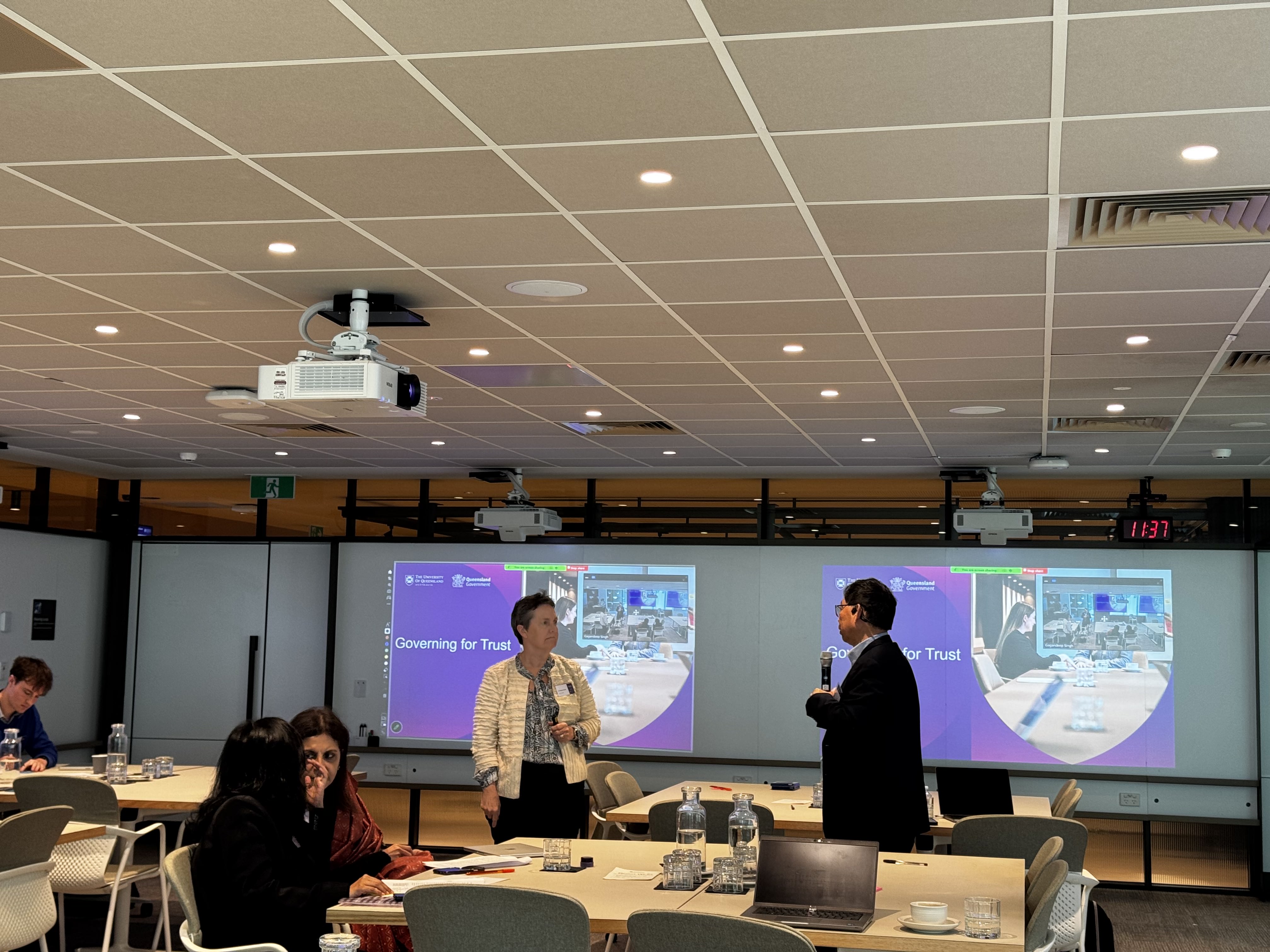
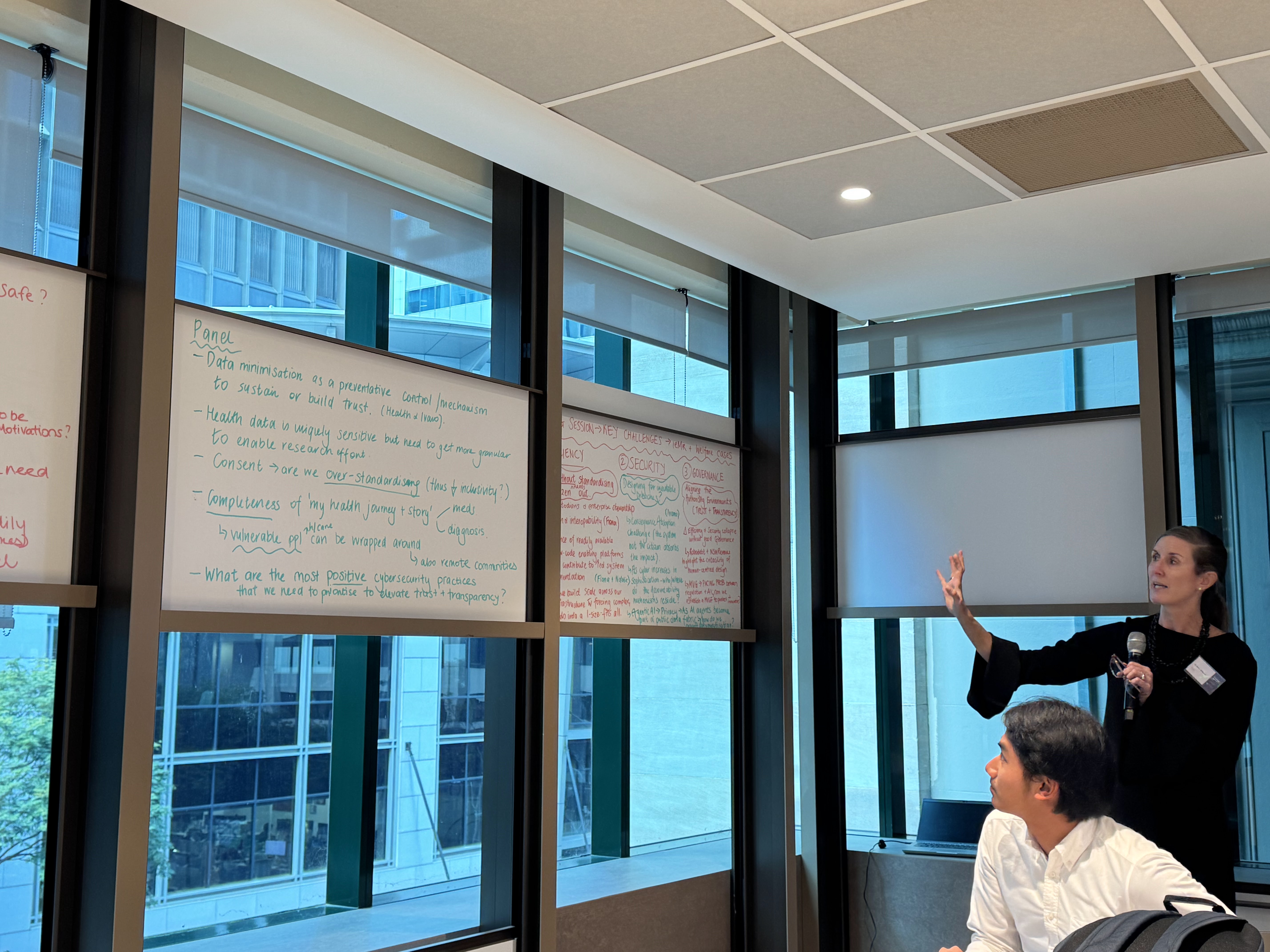
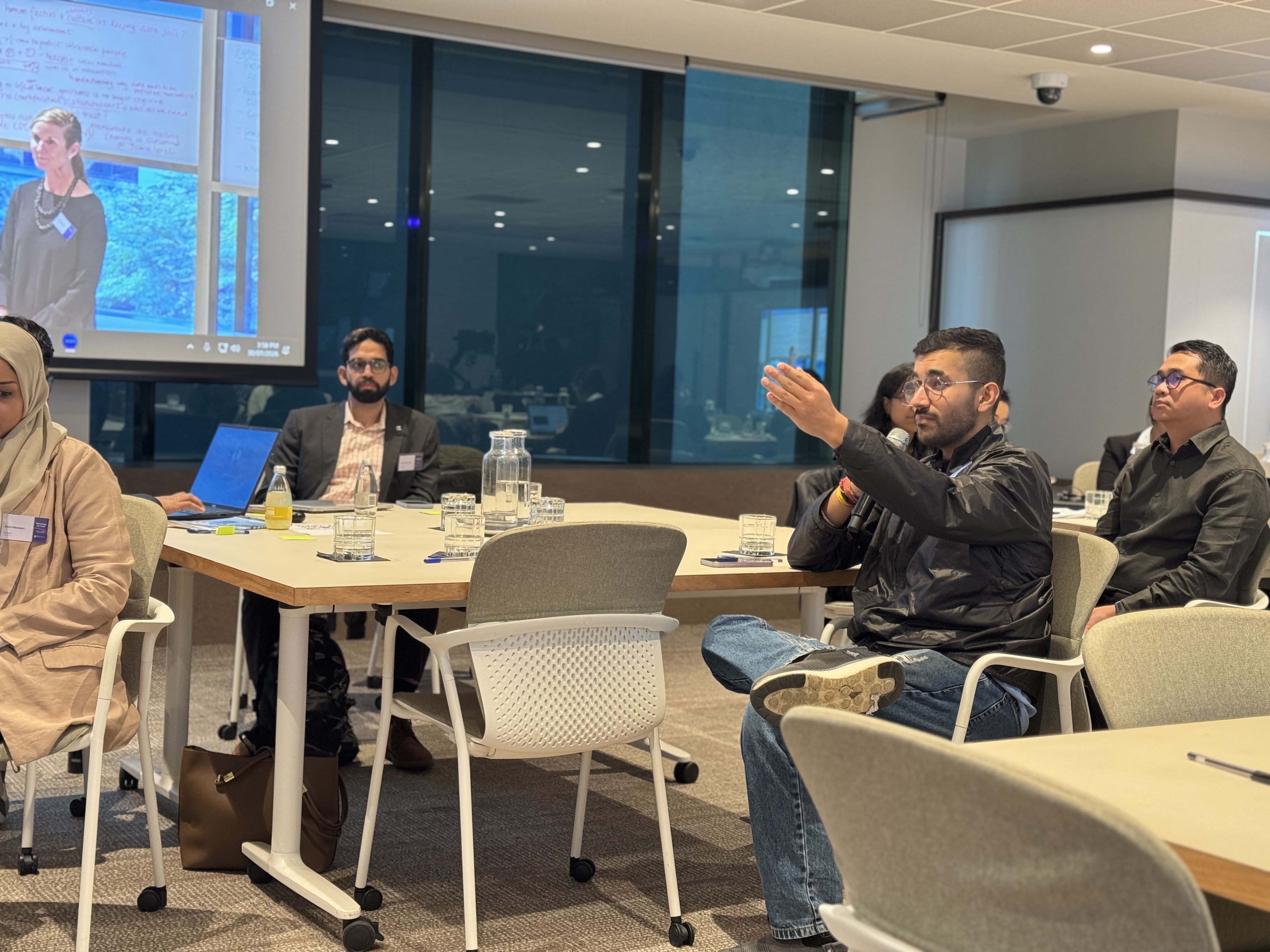
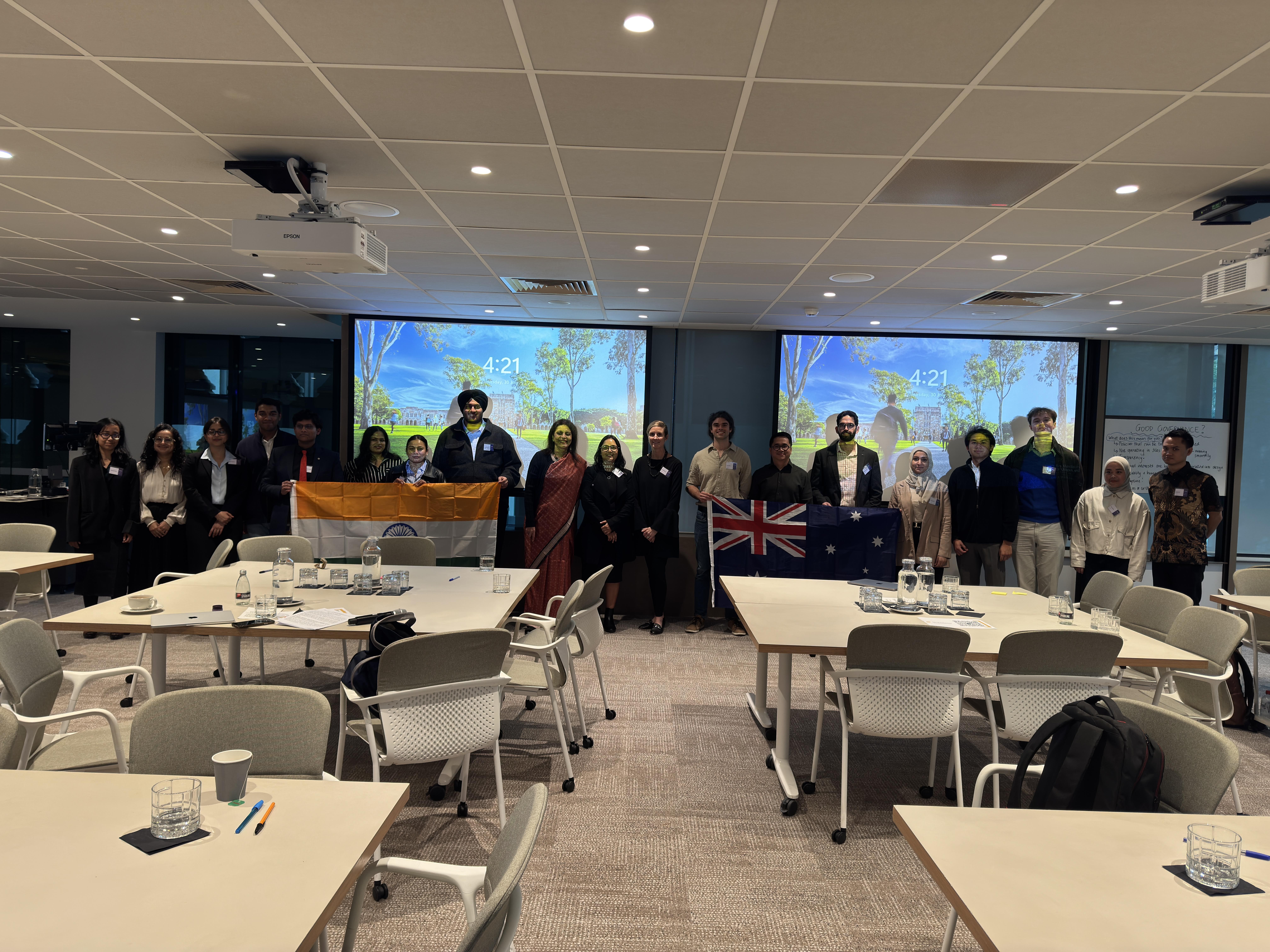
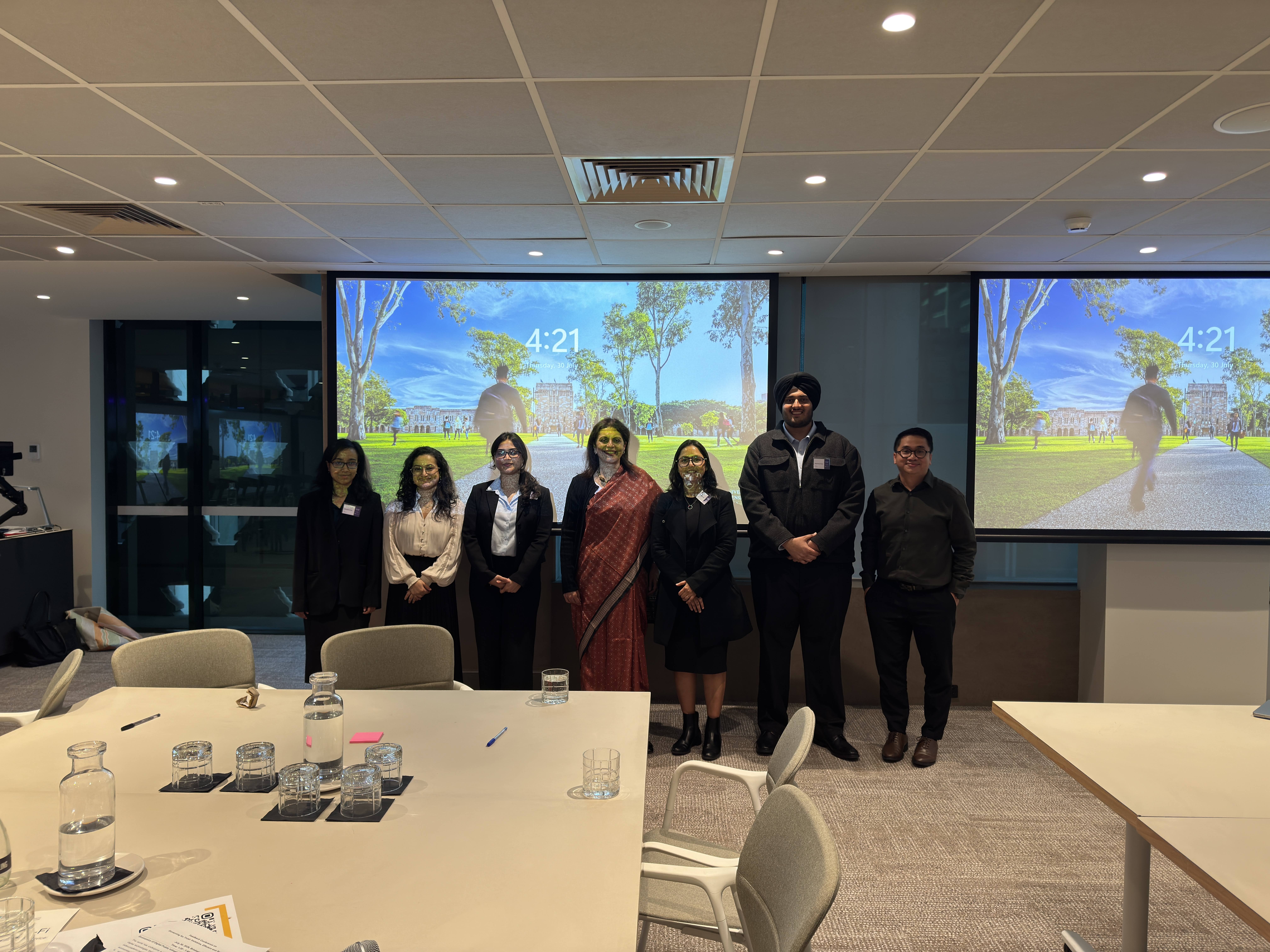
The forum brought policymakers, practitioners, clinicians, and researchers into one room at UQ Brisbane City to test the draft report's India-Australia comparative findings before final publication.

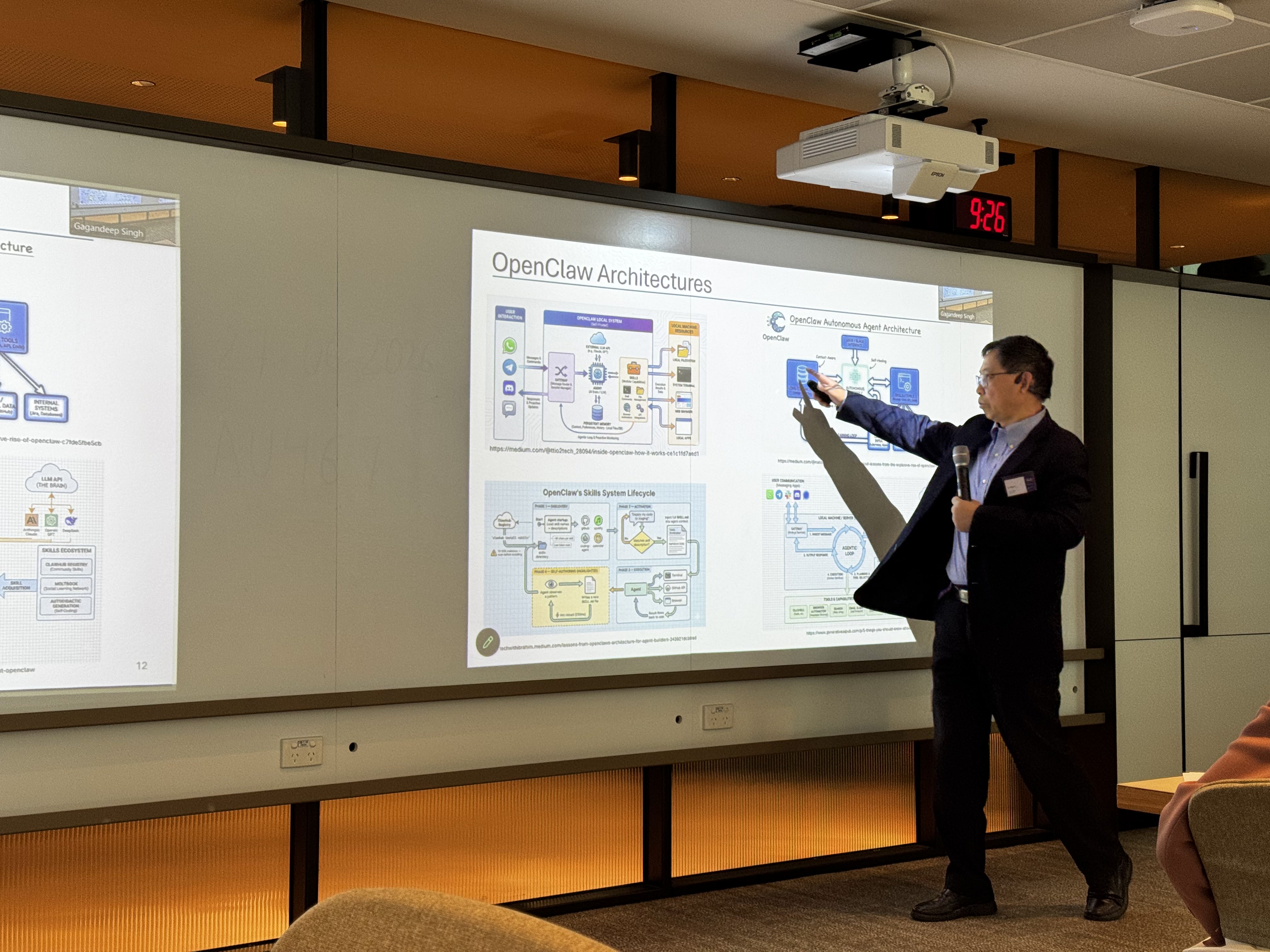
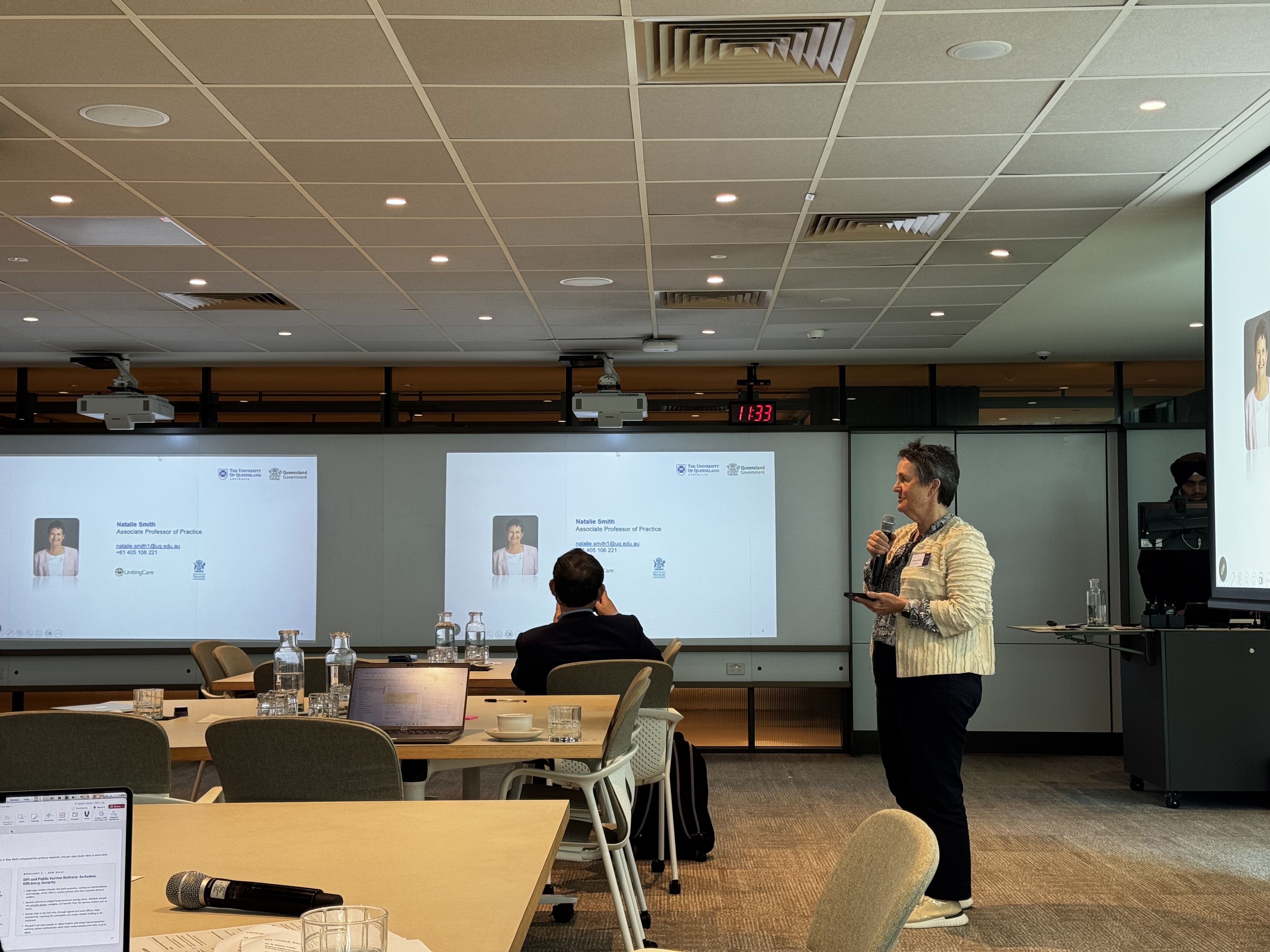
The morning ran on four keynote addresses, each entering the DPI question from a different vantage point. Professor Xue Li opened on the technical foundations of large-scale identity and data exchange. Dr Fiona Hinchliffe grounded the discussion in frontline healthcare delivery and the realities of serving refugee and community care populations. Dr Ivano Bongiovanni argued that governance should start from the assumption of breach rather than from perimeter defence, and Dr Natalie Smith connected digital health governance to board-level accountability and enterprise risk.

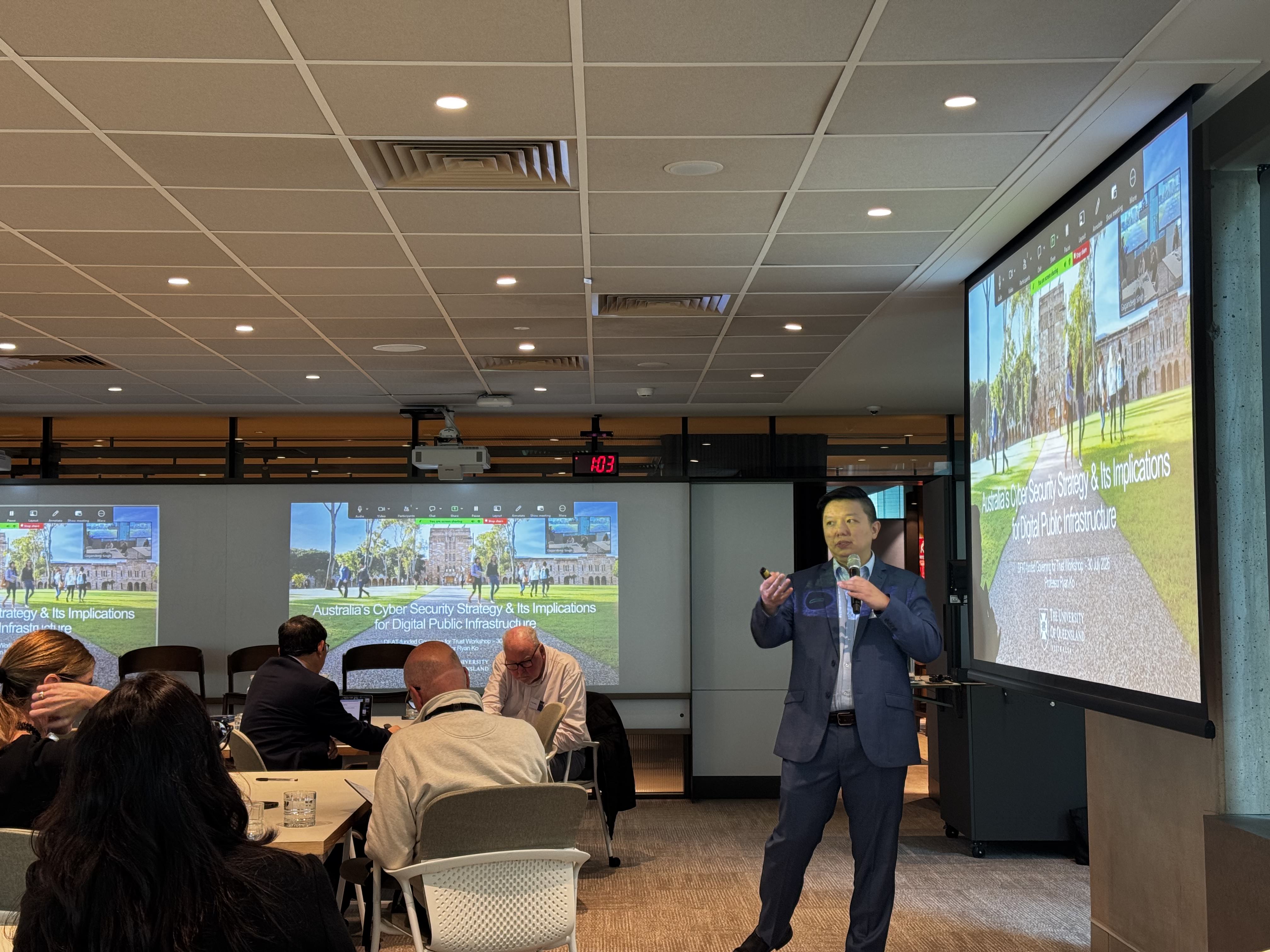
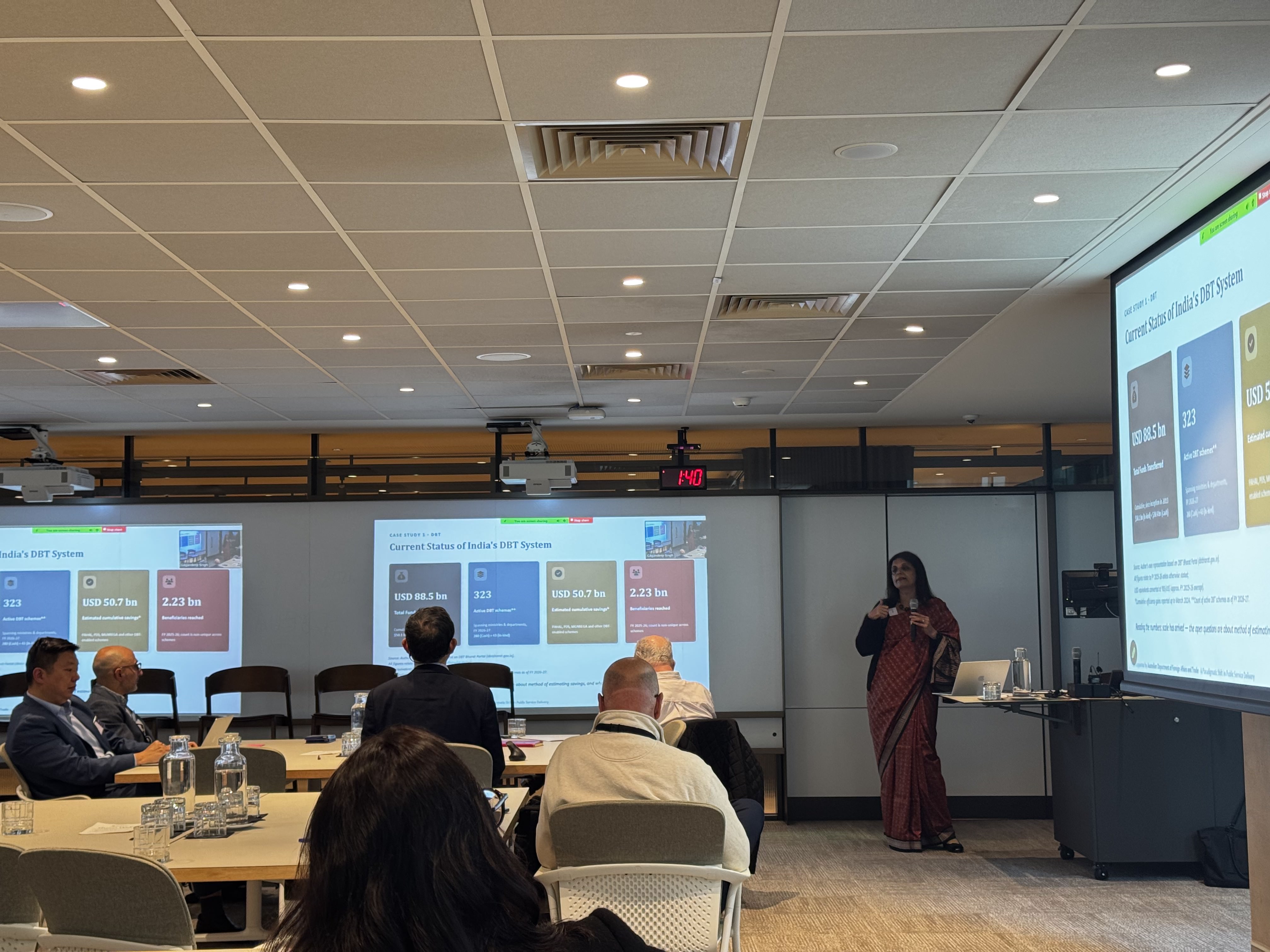
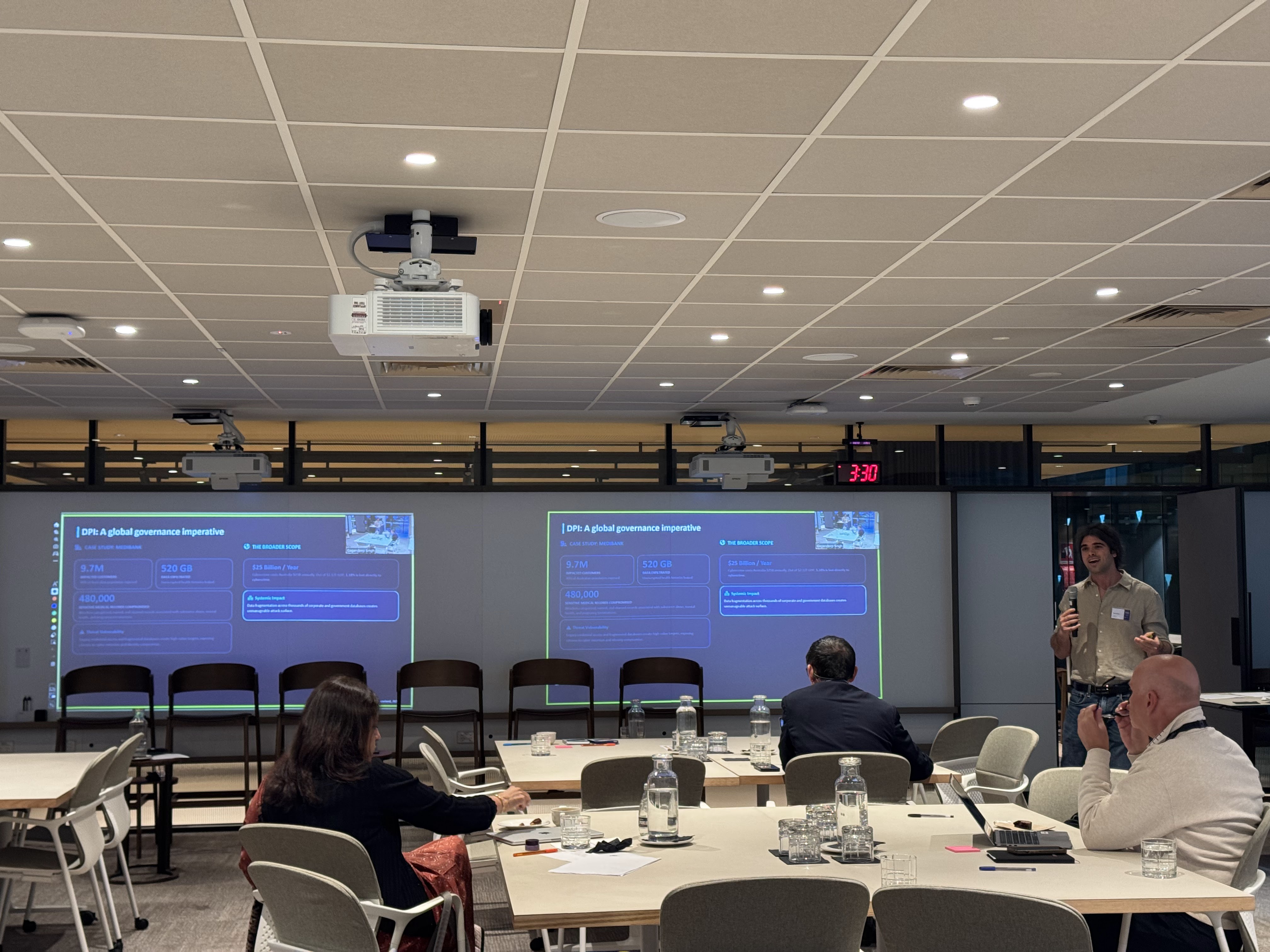
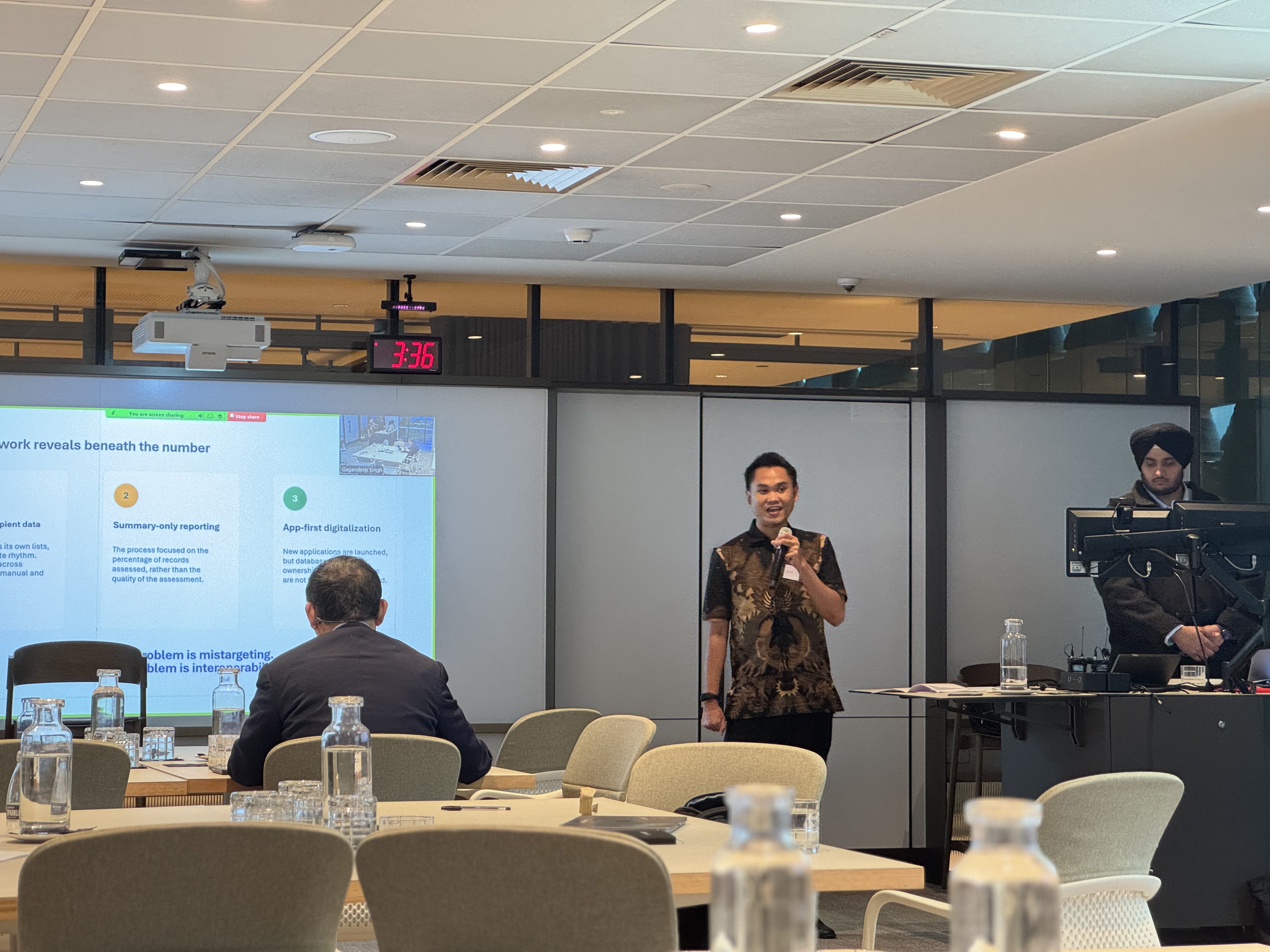
The afternoon turned to the draft report itself. Professor Ryan Ko opened the session followed by Dr. Payal Malik, the project team presented the comparative analysis and the DPI Evaluation Framework, and a ninety-minute structured panel with Professor Stan Karanasios, David Stockdale, and Professor Tim Reddel worked through the three discussion themes of accessibility and inclusivity, efficiency, and security, privacy and trust. Lightning talks from Angga Septananda and David Gaul closed the programme with case evidence drawn from Indonesian social assistance targeting and Australia's myID digital identity schema.

The feedback gathered across the day is now being incorporated into revisions of the draft report ahead of final publication.

Held
Thursday, 30 July 2026
Venue
The Atrium, Room 1M16, UQ Brisbane City
Programme
Four keynotes, draft report presentation, structured panel, lightning talks
Panel Duration
Ninety minutes across three themes
Outcome
Feedback feeding into the final report
With Thanks

We are grateful to everyone who gave their time to the day. To our keynote speakers, panellists, and lightning talk presenters, thank you for the depth and the candour you brought to each session. The critique offered on the draft framework was exactly what the project needed at this stage.

To the participants who joined us from government, healthcare, industry, civil society, and across the university, thank you for the questions, the disagreements, and the practical detail that only comes from people working inside these systems. Your feedback is shaping the final report directly.

We also thank ICRIER and IPCIDE for their partnership across the full programme of work, the Department of Foreign Affairs and Trade for supporting the project under the Australia-India Cyber and Critical Technology Partnership, the Gates Foundation for supporting the Direct Benefit Transfer workshop in New Delhi, and the UQ Brisbane City venue team for their support on the day.


×Governing for Trust forum, 30 July 2026, photograph 1
01 / 15
×Governing for Trust forum, 30 July 2026, photograph 2
02 / 15
×Governing for Trust forum, 30 July 2026, photograph 3
03 / 15
×Governing for Trust forum, 30 July 2026, photograph 4
04 / 15
×Governing for Trust forum, 30 July 2026, photograph 5
05 / 15
×Governing for Trust forum, 30 July 2026, photograph 6
06 / 15
×Governing for Trust forum, 30 July 2026, photograph 7
07 / 15
×Governing for Trust forum, 30 July 2026, photograph 8
08 / 15
×Governing for Trust forum, 30 July 2026, photograph 9
09 / 15
×Governing for Trust forum, 30 July 2026, photograph 10
10 / 15
×Governing for Trust forum, 30 July 2026, photograph 11
11 / 15
×Governing for Trust forum, 30 July 2026, photograph 12
12 / 15
×Governing for Trust forum, 30 July 2026, photograph 13
13 / 15
×Governing for Trust forum, 30 July 2026, photograph 14
14 / 15
×Governing for Trust forum, 30 July 2026, photograph 15
15 / 15

Context and Purpose

Digital Public Infrastructure (DPI) is reshaping how governments deliver public services at scale. By combining digital identity, interoperable data systems, payment rails, and consent mechanisms, DPI can improve access, inclusion, efficiency, and security in essential services. At the same time, large-scale digital systems raise important questions about exclusion, privacy, cybersecurity, data governance, and citizen trust.

This conference was hosted by the UQ Cyber Research Centre, The University of Queensland, in partnership with ICRIER. It was the culminating feedback event for the AICCTP-funded project A Paradigmatic Shift in Public Service Delivery, examining inclusive, efficient, and secure DPI in India and Australia, funded by the Department of Foreign Affairs and Trade under the Australia-India Cyber and Critical Technology Partnership.

The conference was a focused consultation forum. Participants critically engaged with the draft report's India-Australia comparative analysis and policy recommendations ahead of final publication, providing structured feedback on the project's DPI Evaluation Framework.

Event Type
Expert Feedback Conference
Host
UQ Cyber, The University of Queensland
Project
Funder
DFAT, Australia
Partner
ICRIER, New Delhi
Focal Use Cases
Direct Benefit Transfer (DBT) and ABDM Healthcare

Prior Panel Workshops

Two stakeholder workshops were conducted in New Delhi as part of the primary research programme, engaging policymakers, technologists, civil society, and practitioners on each focal use case.

Workshop 1 of 2
Transformation of Health Systems through Digital Public Infrastructure
9 January 2026India Habitat Centre, New Delhi42 ParticipantsHybrid

A full-day hybrid workshop examining India's Ayushman Bharat Digital Mission alongside Australia's Digital Health system. Experts deliberated on interoperability, inclusion, governance, and cybersecurity in DPI-enabled health systems.

Workshop 2 of 2
Digital Public Infrastructure and Public Service Delivery: Inclusion. Efficiency. Security.
8 May 2026India Habitat Centre, New DelhiRoundtable

A roundtable examining India's Direct Benefit Transfer ecosystem with comparative reflections on Australia's digital welfare architecture. Discussions covered the interaction between inclusion, efficiency, and cybersecurity in DPI-enabled welfare systems.

Discussion Themes

Three structured thematic sessions guided expert feedback on the draft report's findings, comparative analysis, and policy recommendations.

Theme 1Accessibility and Inclusivity

Barriers to participation, last-mile access, digital literacy, intermediary support, and exclusion risks in DPI-enabled service delivery for diverse and vulnerable populations, including women, people with disabilities, remote communities, and digitally excluded users.

Theme 2Efficiency

Administrative coordination, interoperability, cost reduction, transaction speed, and monitoring within DPI-enabled welfare and health systems, including the trade-offs between efficiency gains and fairness, due process, and human-centred service design.

Theme 3Security, Privacy, and Trust

Cybersecurity risk, privacy-preserving design, consent mechanisms, data governance, incident response, grievance redressal, and institutional accountability. The discussion considered how security can be embedded in DPI design without compromising accessibility or inclusion.


Speakers and Discussants

Professor Ryan Ko
Keynote Speaker
Professor Ryan Ko
Director, UQ Cyber Research Centre; Faculty of Engineering, Architecture and Information Technology, The University of Queensland
Profile
Dr Ivano Bongiovanni
Keynote Speaker
Dr Ivano Bongiovanni
Senior Lecturer in Information Security, Governance and Leadership, UQ Business School; General Manager, AUSCERT; member of UQ Cyber
Profile Abstract
Professor Stan Karanasios
Panellist
Professor Stan Karanasios
Professor in Information Systems, UQ Business School; affiliate of UQ Cyber Research Centre and the Centre for Enterprise AI
Profile
David Stockdale
Panellist
David Stockdale
Director, AUSCERT; Deputy Director, ITS Cyber Security, The University of Queensland
Profile
Professor Tim Reddel
Panellist
Professor Tim Reddel
Professor (Social Solutions), Institute for Social Science Research; Faculty of Humanities, Arts and Social Sciences, The University of Queensland
Profile
Professor Xue Li
Keynote Speaker
Professor Xue Li
Professor, School of Electrical Engineering and Computer Science, The University of Queensland
Profile
Dr Fiona Hinchliffe
Keynote Speaker
Dr Fiona Hinchliffe
Executive Director, Health Integration and Community Care, Mater; leads Refugee Health Services, Mater at Home, Allied Health, and Pharmacy Services
Profile
Dr Natalie Smith
Keynote Speaker
Dr Natalie Smith
Industry Associate Professor, UQ Business School; affiliate of the Centre for Enterprise AI and Queensland Digital Health Centre; board member, UnitingCare Queensland and QTC
Profile
Lightning Talk
Angga Septananda
Abstract
Lightning Talk
David Gaul
Abstract
×
Keynote Speaker
Dr Ivano Bongiovanni
Beyond the Breach: Governing Digital Public Infrastructure for Trust

Digital public infrastructure now carries the weight of welfare payments, health records, and identity for hundreds of millions of citizens across Australia and India. Yet the governance conversation remains anchored in a twentieth-century idea: that security means keeping intruders out. This keynote argues for a different starting point, where breaches are treated as inevitable and governance is judged by how well systems absorb, contain, and recover from them without harming the people who depend on them for welfare and healthcare. Drawing on Australia's digital identity and health record systems and India's Aadhaar–UPI–ABDM stack, the talk examines what “inclusive, efficient and secure” actually requires in practice — data minimalism, structural decentralisation, and consequence absorption, not perimeter defence alone. It closes with a shared governance agenda both countries can test against each other's experience.

×
Lightning Talk
Angga Septananda
Behind the 46% Social Assistance Error: Data Interoperability and DPI-Based Solutions in Indonesia

In a nation of over 270 million people, precise data governance is critical. However, Indonesia’s Ministry of National Development Planning reports that 46% of social assistance recipients are mistargeted due to data errors. As a government auditor, I have observed that the root cause is severe public-sector data fragmentation. Unfortunately, local digitalization often falls into the trap of superficial “app gimmicks”, agencies launch new applications without robust databases, relying on third-party developers who cut ties upon delivery. This creates a wide capability gap, as there is no sustainable data training for civil servants.

Drawing on local government audit experiences, this talk untangles Indonesia's system interoperability challenges and the illusion of superficial digitalization. It explores the urgency of implementing Digital Public Infrastructure (DPI) to shift the paradigm from multiplying isolated apps toward building an integrated data ecosystem. This critical competency gap in the field ultimately motivated me to pursue a Master of Data Science. This presentation highlights why strengthening internal public capacity and adopting DPI are absolute prerequisites for delivering truly evidence-based, transparent, and accountable public services.

×
Lightning Talk
David Gaul
Sovereign Digital Identity and the Last-Mile Gap: Evaluating Australia's myID as Secure-by-Design DPI

Improving sovereign Digital Public Infrastructure (DPI) has become a global governance imperative. Australia’s Medibank, Optus and Qantas cyber breaches exposed sensitive data across approximately 25.2 million records cumulatively, revealing how data fragmentation across public and private databases creates an unmanageably vast attack surface. This presentation evaluates Australia’s myID digital identity schema, a core pillar of the 2023–2030 “Horizon” strategy, as a case study in secure-by-design DPI. We examine how digital identity management reduces data “honeypots”.

Secondly, we address the dilemma of governing for trust: why tech architectures fail without last-mile adoption. While technological capabilities exist, public hesitancy remains high, particularly among vulnerable, non-English speaking, and sceptical populations. We draw insights from real-world adoption challenges and propose key future research directions to bridge the gap between technical resilience and widespread adoption.


Conference Agenda

Thursday, 30 July 2026 · The University of Queensland, Brisbane · 9:00 AM AEST onwards

AEST / BrisbaneSession
9:00 AM – 9:15 AMWelcome Talk
9:15 AM – 9:45 AMProfessor Xue Li
9:50 AM – 10:20 AMDr Fiona Hinchliffe
10:20 AM – 10:50 AMBreak
10:55 AM – 11:25 AMDr Ivano Bongiovanni
11:30 AM – 12:00 PMDr Natalie Smith
12:00 PM – 1:00 PMLunch
1:00 PM – 1:20 PMIntroductory Talk — Professor Ryan Ko
1:20 PM – 1:40 PMPresentation of Draft Report
1:40 PM – 3:10 PMPanel — Structured Feedback Discussion
3:10 PM – 3:25 PMRefreshment Break
3:25 PM – 4:10 PMLightning Talks
4:10 PM – 4:30 PMSynthesis, Next Steps, and Closing

Organisers

Lead Organisers

Dr Priyanka Singh
Dr Priyanka Singh
Senior Lecturer in Cyber Security
Program Convenor, Master of Cybersecurity
UQ Cyber Research Centre
ProfileEmail
Dr Katie Williams
Dr Katie Williams
Senior Lecturer, Business Information Systems
UQ Business School
The University of Queensland
Profile

Conference Team

Gagandeep Singh
Gagandeep Singh
Conference Coordinator
Research Assistant, UQ Cyber Research Centre
LinkedIn

Institutions

Host Organisation
UQ Cyber Research Centre
School of Electrical Engineering and Computer Science, The University of Queensland, Brisbane. A leading centre for cybersecurity research and education in the Asia-Pacific region.
Implementing Partner
ICRIER / IPCIDE
Indian Council for Research on International Economic Relations. ICRIER Prosus Centre for Internet and Digital Economy, New Delhi.
Funder
DFAT / AICCTP
Department of Foreign Affairs and Trade, Australia. Australia-India Cyber and Critical Technology Partnership, Round 4.
Supporting Organisation
Gates Foundation
Supported the Direct Benefit Transfer Workshop on Digital Public Infrastructure and Public Service Delivery: Inclusion. Efficiency. Security, May 2026.